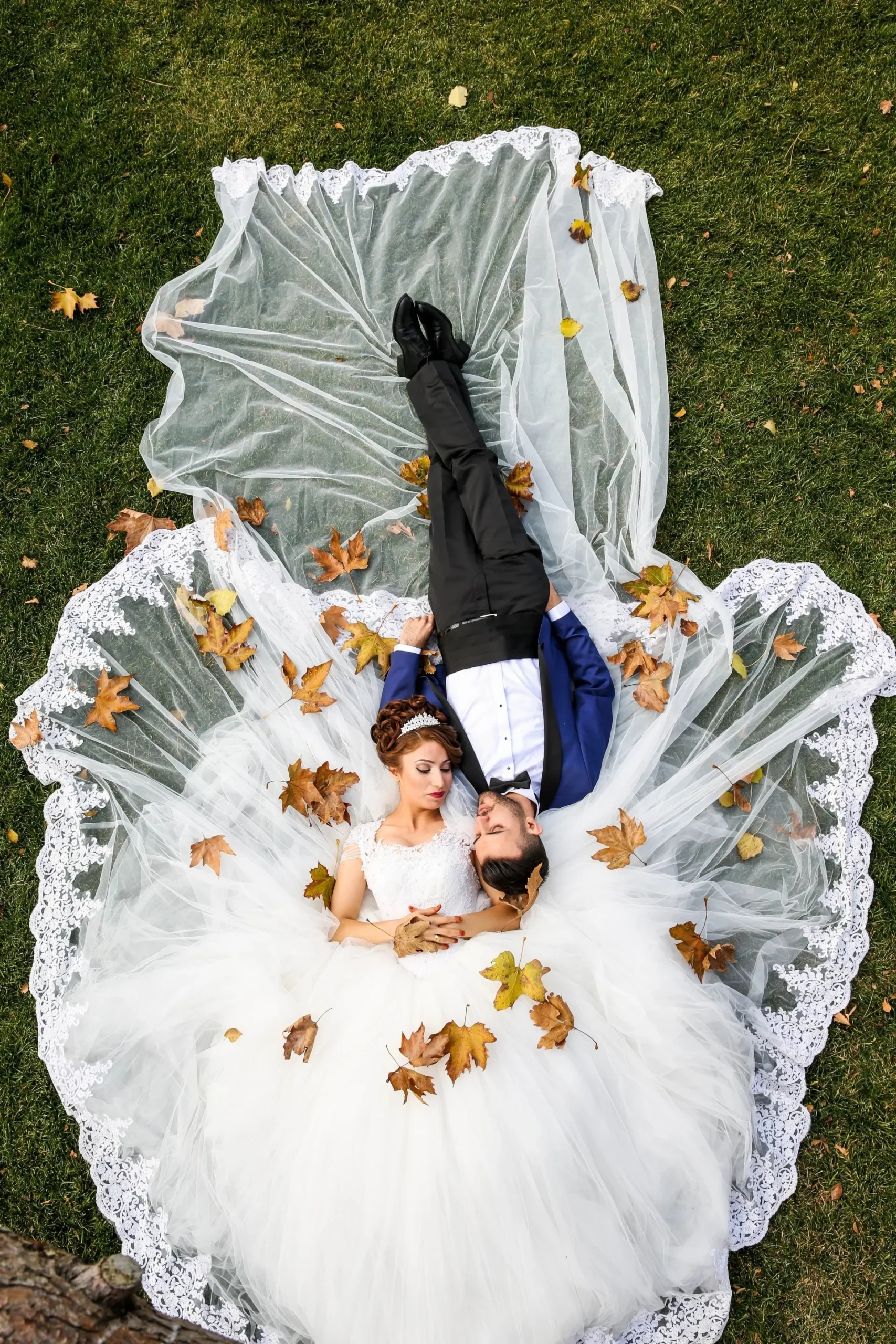
There is a quiet moment in every wedding ceremony when the room goes still and all eyes land on one person: the one about to speak their vows. That is the moment you will remember forever. Yet when most couples sit down to write their own vows for the first time, the blank page feels enormous.
Learning how to write wedding vows that sound like you, not like a movie script, is simpler than it seems. It is not about clever phrases or polished speeches. It is about honest words, one or two real memories, and a few promises you actually mean to keep. Whether your wedding celebration is traditional or modern, your vows are the heart of the day.
This guide walks you through each step of the process, from finding the right tone to practicing the final version. By the end, you will have a clear structure, practical examples, and the confidence to stand up and share something truly personal on your wedding day.
Why Personal Wedding Vows Matter
Wedding vows are one of the few parts of the day that cannot be outsourced. Your florist arranges the flowers, your photographer captures the moment, your venue sets the stage, but the words that pass between you and your partner are yours alone. That is exactly why they carry so much weight.
Personal vows also reshape the feel of the ceremony. Instead of a standard script, you get an intimate exchange that reflects your real relationship. Guests notice. At Golden Castle , ceremonies featuring personal vows often feel warmer and more emotional because the words come directly from the couple’s lived experience.
According to WeddingWire, 38% of couples also write private letters to each other to be read on the wedding day, showing how much modern couples value personal written expression during their ceremony. Whether you choose spoken vows, written letters, or both, the effort shows.
How to Write Wedding Vows Step by Step
Writing good vows is less about inspiration and more about process. Follow these steps and the words will come.
- Step 1. Decide on tone together. Talk to your partner about whether you want romantic, funny, serious, or a mix. Agreement on tone prevents the awkward moment of one partner crying while the other jokes.
- Step 2. Agree on length. Most wedding experts suggest vows of one to three minutes, or roughly 150 to 300 words. According to Zola, this range is long enough to feel meaningful and short enough to hold attention.
- Step 3. Brainstorm before you write. List moments that made you fall in love, qualities you admire, things you have been through together, and what you promise for the future. Do not edit yet. Just capture.
- Step 4. Draft freely. Write badly on purpose the first time. A messy first draft is easier to edit than a blank page.
- Step 5. Edit for honesty. Cut clichés, remove anything you would not say out loud, and keep the lines that made you pause when you wrote them. Those are the real ones.
- Step 6. Read it aloud and time it. Words that look fine on paper often need tightening when spoken.
Start with Your Love Story
Every set of great vows begins with a moment. Not your whole history, just a small detail that says everything.
Think about the early days. The first time you noticed your partner, the quiet moment you realised this was different, the trip where something shifted, the small gesture that told you they were the one. These anchor points make your vows specific, and specific is what makes them unforgettable.
Pick one or two moments rather than a full timeline. Guests do not need a year by year recap. A single sentence like “You made me feel at home on our second date, and you have been making me feel at home ever since” is stronger than three paragraphs of history.
Your love story is also what prevents your vows from sounding generic. Anyone can promise to love forever. Only you can describe the morning coffee routine, the shared playlist, or the Sunday drives that define your relationship.
Add Meaningful Promises
Promises are the backbone of wedding vows. They move the speech from reminiscing to commitment.
The best promises mix the serious with the everyday. A beautiful vow to “stand by you through every hard season” lands even harder when it is followed by “and to keep making you coffee the way you like it every morning.” The combination feels real.
Aim for three to five promises. Any fewer feels light, any more starts to drag. Mix different kinds of commitment: emotional, practical, playful, and lifelong. Think about what your partner actually needs from you, not what sounds impressive.
Avoid vague promises like “I promise to always be there.” Specific is stronger. “I promise to be the person you call first when something good happens, and the one you come home to when something hard does.”
Keep the Tone Natural and Honest
The biggest mistake in vow writing is trying too hard. When vows read like poetry, they stop sounding like you. The goal is your voice at its warmest, not a version of you borrowed from a novel.
Write the way you talk. If you would never say “thou art my dearest beloved,” do not write it. Use your normal vocabulary, keep your natural rhythm, and let small imperfections stay if they sound like you. A slightly clumsy sentence that feels real beats a polished one that feels borrowed.
Humour is welcome, but use it lightly. A joke or two softens the emotion and keeps guests engaged. A full comedy routine, on the other hand, can undercut the moment when it matters most. The rule of thumb: make them laugh once or twice, make them feel something the rest of the time.
Wedding Vow Writing Structure
A simple structure turns a blank page into a clear plan. Use the table below as your starting frame.
| Section | What to Include | Example Idea |
|---|---|---|
| Opening line | Address your partner directly and name the moment | “Sarah, standing here today, I want you to know…” |
| A love story moment | One specific memory or realisation | The night you first said “I love you” and why it stuck |
| What you admire | Qualities you value in your partner | Their kindness, humour, patience, or quiet strength |
| Promises | Three to five real commitments | Emotional support, everyday care, lifelong partnership |
| Closing line | A final heartfelt commitment | “I choose you today, tomorrow, and every day after” |
You do not need to fill every row. Use this as a guide, not a rulebook. Many beautiful vows skip the opening line or blend the love story into the promises.
Wedding Vow Do’s and Don’ts
A handful of simple rules separate vows that move a room from vows that fall flat.
| Do | Don’t | Why It Matters |
|---|---|---|
| Speak in your natural voice | Use overly formal or poetic language | Authenticity lands harder than polish |
| Include one or two specific memories | Rely on vague declarations of love | Specific details make vows unforgettable |
| Keep vows to 2 to 3 minutes | Ramble past four minutes | Guests lose focus and the moment fades |
| Align tone and length with your partner | Let one vow be far longer or heavier | Balance preserves the emotional flow |
| Practise aloud several times | Read cold on the wedding day | Reading aloud catches awkward phrases |
| Write real, meaningful promises | Overload with inside jokes | Jokes exclude guests and date quickly |
| Share length with your officiant | Surprise your officiant on the day | The timeline depends on accurate vow length |
Keep this table beside you during editing. If a line fails any of the “do” tests, tighten it or cut it.
Still deciding on your ceremony space?
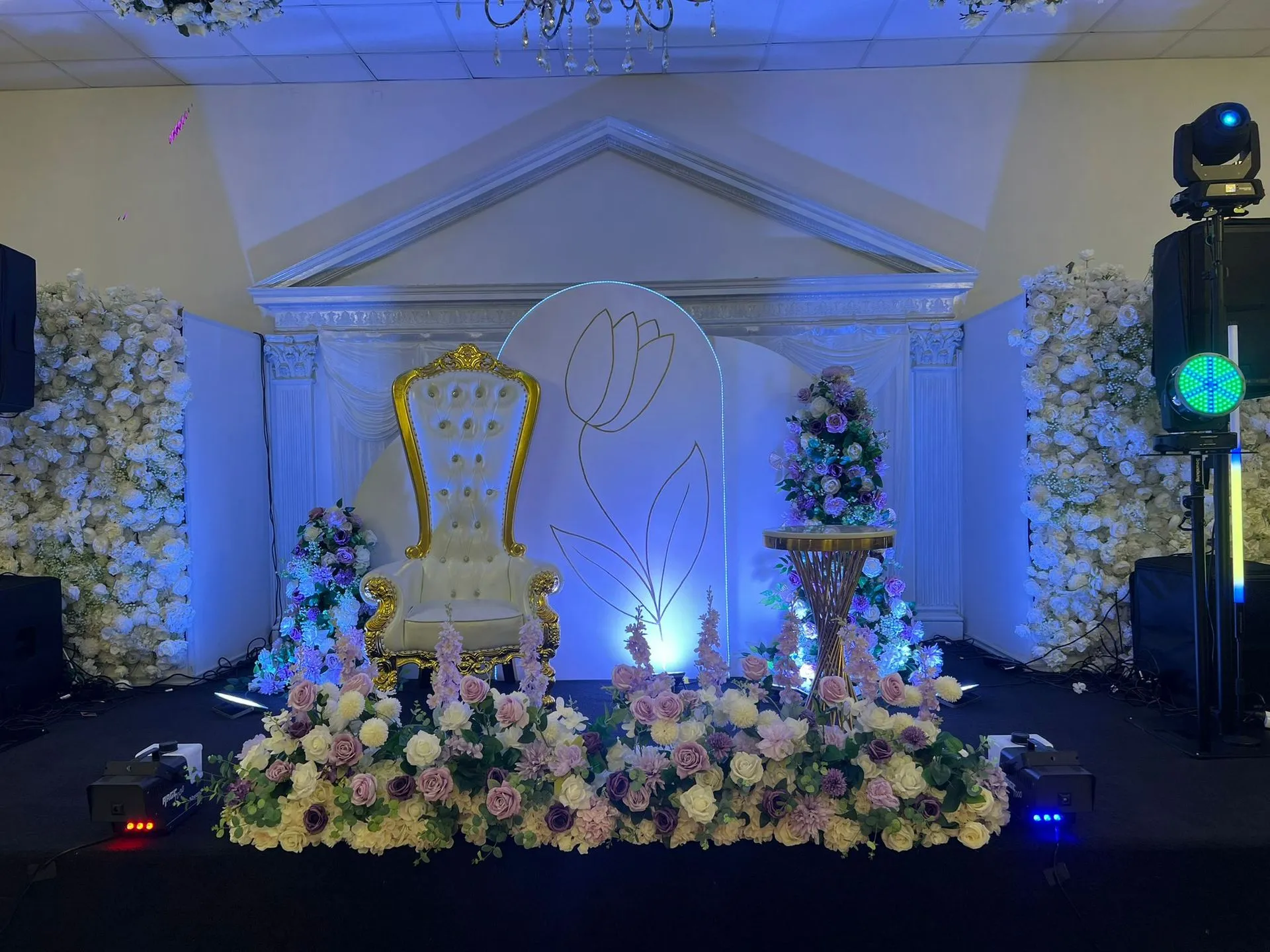
The venue shapes how your vows are heard. Open air, indoor, intimate, or grand, each setting changes the mood. Check availability at Golden Castle and discuss the ceremony layout that best suits your vow exchange.
Common Wedding Vow Mistakes to Avoid
A few patterns repeat in vow drafts and weaken the final piece. Watch for these.
Starting with a quote. Leading with a line from a movie or a poem makes the first few seconds feel borrowed. Start with your own words, even if they are simple.
Writing for the guests. Your vows are for your partner first. If a line only exists to get a laugh from the room, reconsider it.
Listing everything. Trying to summarise your whole relationship in three minutes produces a rushed list. Pick a few details and let them carry the weight.
Being afraid of emotion. If a line makes you tear up while writing it, keep it. That is usually where the power lives.
Leaving it to the last week. Vows written the night before tend to feel thin. Start at least a month out, leave a draft for a week, then come back to edit.
Browsing a wedding venue gallery can also spark ideas. Seeing real ceremony setups helps you picture yourself speaking and often shapes the length and style of what you write.
Short Wedding Vow Examples for Inspiration
Sometimes the best way to unlock your own voice is to read a few examples. These are written short so you can see the shape, not copy the content.
Example 1, warm and classic:“From our first walk along the river, I knew I wanted to keep showing up for you. I promise to listen, to grow with you, to laugh with you every day, and to be the home you return to after every long day. I choose you, fully and forever.”
Example 2, playful and honest:“I promise to make you coffee every morning, to let you win most arguments about what to watch, and to stand by you in every quiet and loud moment of our life. You are my favourite person, and I am so grateful you picked me too.”
Example 3, short and heartfelt:“Today I am choosing the person who makes my ordinary days feel lighter. I promise to love you on the good days, to hold your hand on the hard ones, and to keep choosing you, again and again, for the rest of my life.”
Use these as structure references, not scripts. Your version should sound nothing like anyone else’s.
How to Practise Your Wedding Vows Before the Ceremony
Writing the vows is half the work. Delivering them well is the other half.
Read your vows aloud at least five times in the two weeks before the wedding. This catches stumbling words, clumsy rhythm, and any phrases that feel stiff when spoken. Recording yourself on your phone helps even more. You will hear pacing issues you cannot spot by reading silently.
Practise with someone you trust. A close friend, sibling, or your celebrant can give feedback on flow and emotion. They can also tell you if any line crosses from personal to too private for a public reading.
On the day, bring a printed copy. Memorising sounds romantic in theory but tends to fail under nerves. Almost every officiant agrees that reading from a small card or vow book is the safest choice. Your partner will not mind one bit.
Finally, take a breath before you start. Look at your partner. Let the moment settle. Then speak slowly, at roughly half the pace you practised. Nerves speed everyone up, and a slower delivery reads as more confident and more heartfelt.
Want help coordinating the ceremony flow?
From aisle timing to microphone placement, the small details shape how your vows feel in the moment. Contact our team to walk through the ceremony setup and make sure your vow exchange lands exactly the way you imagined.
Final Thoughts
Good wedding vows do not require perfect writing. They require honesty, a little structure, and the courage to say what you actually mean. The couples who land this best tend to write early, edit gently, and practise out loud more than they expect.
Start with one real memory. Add three to five promises you mean to keep. Read the draft aloud. Trim what does not sound like you. That simple loop is how beautiful, personal vows come together.
When the venue is settled and the date is confirmed, the rest of the planning falls into place naturally. If you are still searching for the right setting, book a venue tour to see how your ceremony might flow. Whether you are planning a full wedding or a private party venue booking for an engagement or pre wedding celebration, the right space makes every word you say feel bigger.
FAQs
How long should wedding vows be?
Most wedding experts recommend one to three minutes, or roughly 150 to 300 words. Shorter vows tend to feel more powerful than longer ones, and they hold guest attention better during the ceremony.
What should I include in my wedding vows?
A real memory or love story moment, qualities you admire in your partner, three to five meaningful promises, and a closing line of commitment. Keep the structure simple and the tone honest.
Should wedding vows be romantic or funny?
Both work, and many of the best vows blend the two. Agree on tone with your partner in advance so your vows feel balanced on the day. Humour is welcome, but let sincerity carry the main weight.
Can I read my wedding vows from paper?
Yes, and most officiants recommend it. Printed vows or a small vow book prevent nerves from erasing your words. Reading is not less romantic, it is simply more reliable.
When should I start writing my wedding vows?
Begin at least four to six weeks before the wedding. Starting early gives you time to draft, set it aside, and return with fresh eyes before editing the final version.