The wedding ceremony is the heart of the entire celebration. It is the moment where two people publicly commit to each other in front of family, friends, and the people who matter most. This is why many couples spend time thinking carefully about their wedding vows and nuptials.
The phrase wedding nuptials vows often refers to the words spoken during the ceremony, especially the promises exchanged between the couple. These words can be traditional, personal, religious, modern, short, romantic, or a mix of different styles.
What matters most is that the vows feel honest and suitable for the ceremony you are planning. You do not need perfect poetry. You need clear, meaningful words that reflect your relationship and the commitment you are making.
At Golden Castle, wedding ceremonies are shaped around atmosphere, timing, and the couple’s vision. Whether your ceremony is formal, intimate, cultural, or modern, your vows should support the feeling of the day.
If you are still organising the order of your wedding day, our guide on how to plan a wedding timeline can help you understand where the vows fit into the full celebration.
What Are Wedding Nuptials?
Nuptials simply refers to a wedding or marriage ceremony. When people say wedding nuptials, they are usually talking about the formal ceremony where the couple gets married.
This ceremony may include the processional, welcome words, readings, vows, ring exchange, pronouncement, signing, and recessional. The exact structure depends on your culture, religion, celebrant, and personal preferences.
The vows are one of the most important parts of the nuptials because they express the promises being made. They are not just decorative words. They are the emotional and symbolic centre of the ceremony.
Some couples use traditional vows. Others write their own. Some combine both by keeping the legal or ceremonial wording and adding personal promises.
What Are Wedding Vows?
Wedding vows are the promises exchanged during the ceremony. They usually express love, loyalty, commitment, partnership, and support.
Traditional vows often include promises to stand by each other through good times and difficult times. Personal vows may include memories, shared values, private promises, or words that reflect the couple’s journey.
Vows do not need to be long. In many ceremonies, vows are only one to three minutes per person. Short vows can be powerful when they are thoughtful and specific.
The goal is not to impress every guest. The goal is to speak clearly to your partner and say what you truly mean.
When Do You Say Vows During the Ceremony?
Wedding vows are usually spoken after the opening words, any readings, and the celebrant’s introduction to the commitment. They often come before the ring exchange.
A simple ceremony order may look like this:
- Processional entrance
- Welcome from the celebrant or officiant
- Opening words about marriage
- Optional reading or blessing
- Wedding vows
- Ring exchange
- Pronouncement of marriage
- First kiss
- Signing if required
- Recessional exit
Your celebrant or officiant can confirm the exact order. If you are planning your ceremony and reception together, choosing the right venue layout can also help the ceremony flow smoothly.
You can learn more about planning the venue side of the day in our guide on how to choose awedding venue.
Traditional Wedding Vows
Traditional wedding vows are often used in religious or formal ceremonies. They are familiar, timeless, and simple.
Many traditional vows include promises to love, honour, comfort, and remain faithful. They may also include wording about staying together through sickness and health, joy and hardship, or better and worse seasons of life.
Traditional vows can be a good choice if you want the ceremony to feel classic. They also work well when families expect a formal structure.
However, traditional vows do not have to feel impersonal. You can still add a personal reading, a short private note, or a personal promise after the formal vows.
Personal Wedding Vows
Personal wedding vows are written by the couple. They are usually more emotional and specific because they include real memories, shared experiences, and individual promises.
Personal vows can be romantic, heartfelt, funny, spiritual, or simple. The best ones sound like the person speaking them.
A personal vow might mention when you first knew your partner was the right person. It might include what you admire most about them. It might include promises about the life you want to build together.
The main risk with personal vows is trying too hard. If the language sounds unnatural, guests will notice. Clear and honest words usually work better than overly dramatic writing.
What Should You Say During Wedding Vows?
Good wedding vows usually include a few key elements. You do not need all of them, but they give you a strong structure.
Vow Section What to Include Example Idea Opening Address your partner directly “Today, standing here with you, I feel grateful and ready.” Memory Share one meaningful moment The day you realised this relationship was different Admiration Name qualities you love Kindness, patience, humour, loyalty, strength Promises Make clear commitments Support, honesty, care, respect, partnership Closing End with a final commitment “I choose you today and every day after.”This structure keeps your vows focused. It also helps you avoid rambling or turning the vows into a long story.
Short Wedding Vow Example
Short vows can still feel emotional when every line has purpose.
Here is a simple example:
“Today, I promise to love you with patience, honesty, and care. I promise to support you in difficult moments, celebrate with you in joyful ones, and keep choosing us through every season of life. You are my partner, my home, and my greatest commitment.”
This type of vow works well for couples who want something sincere but not too long.
Romantic Wedding Vow Example
Romantic vows should feel warm without becoming overly dramatic.
Here is an example:
“From the moment you became part of my life, everything felt more grounded, more joyful, and more complete. I promise to protect our love, to listen with patience, to speak with kindness, and to build a life with you that feels safe, honest, and full of meaning. I choose you today with my whole heart.”
This style works well for emotional ceremonies where the couple wants the vows to feel deeply personal.
Modern Wedding Vow Example
Modern vows often feel more conversational. They are direct, personal, and natural.
Here is an example:
“I promise to be on your team, even on the hard days. I promise to laugh with you, grow with you, respect you, and keep showing up for the life we are building. I will support your dreams, share the ordinary moments, and never take for granted the love we have found.”
This style is ideal for couples who want vows that sound warm but not too formal.
How Long Should Wedding Vows Be?
Most wedding vows are best kept between one and three minutes. This is usually enough time to say something meaningful without losing the attention of the room.
In word count, that often means around 150 to 300 words. If your vows are much longer, they may start to feel more like a speech than a vow.
Couples should agree on length before writing. This avoids one person reading a short paragraph while the other reads several pages.
If you have more to say, consider writing a private letter to your partner and keeping the ceremony vows shorter.
Should Wedding Vows Be Funny?
Humour can work beautifully in wedding vows, but it needs balance.
A light joke can make the moment feel natural and warm. Too many jokes can make the vows feel less serious. The ceremony is still a commitment, so sincerity should carry the main message.
A good rule is to include one gentle personal detail, not a full comedy routine. Avoid embarrassing your partner or mentioning anything too private.
The safest humour is affectionate. It should make your partner smile, not feel exposed.
What Not to Say in Wedding Vows
Some topics do not belong in ceremony vows. Even if they feel funny or honest, they can distract from the meaning of the moment.
Avoid mentioning past arguments, former relationships, private conflicts, financial stress, family tension, or anything that could embarrass your partner.
Also avoid making promises you cannot realistically keep. “I will never upset you” sounds romantic, but it is not realistic. “I will keep choosing patience and honesty” is stronger and more believable.
Do not copy vows word for word from the internet. Examples can help with structure, but the final words should sound like you.
Wedding Vows and Ceremony Planning
Your vows should match the style of your ceremony. A large formal wedding may call for more polished wording. A relaxed ceremony may suit a more natural tone.
The venue also affects how vows feel. A grand function space can make formal vows feel powerful. A smaller ceremony setting can make personal vows feel intimate.
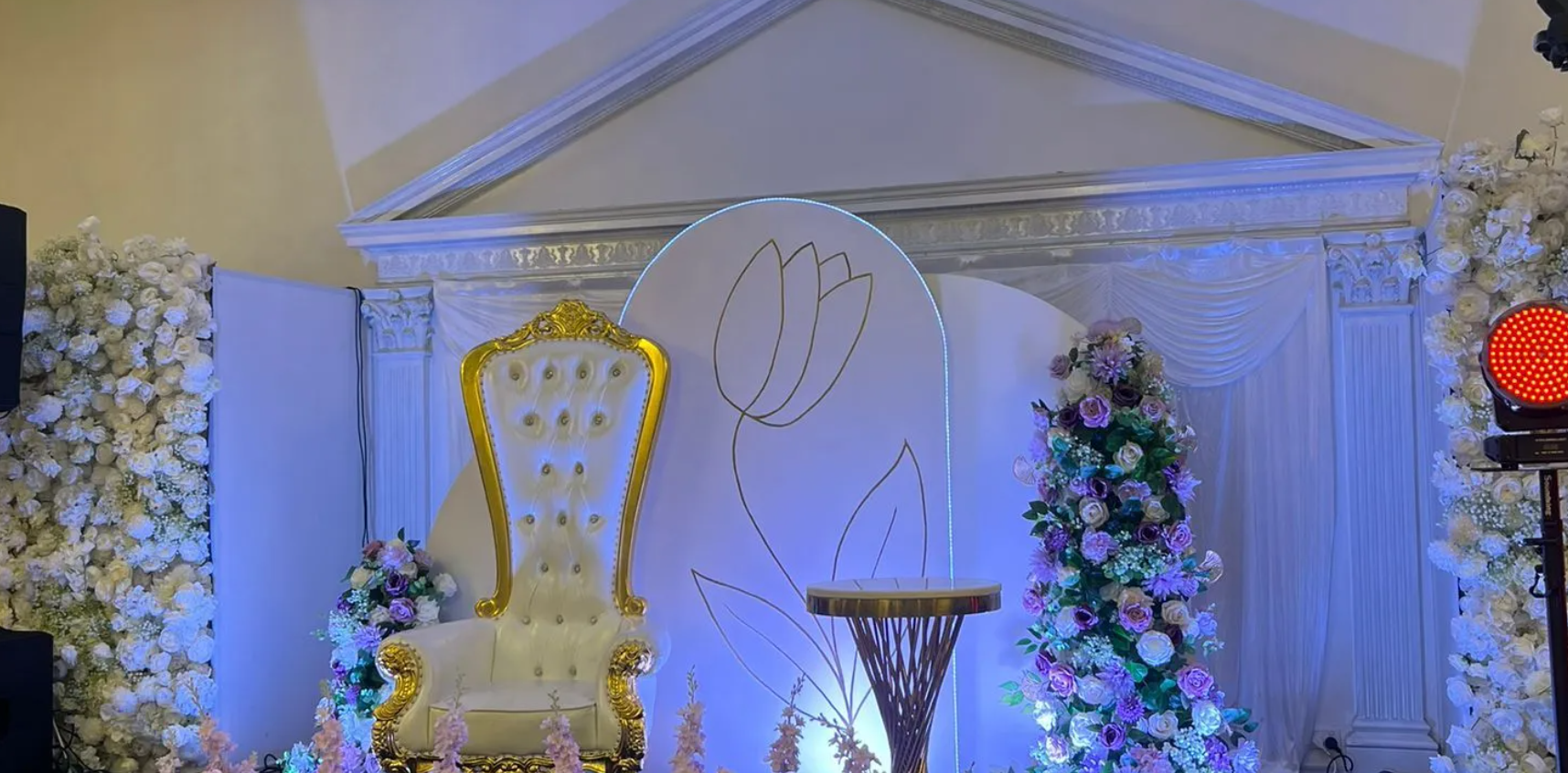
Golden Castle offers a flexible setting for wedding ceremonies, receptions, and family celebrations. You can explore our wedding venue page to see how your ceremony and reception can come together in one elegant space.
You can also browse our gallery to get a better sense of the atmosphere, layout, and event styling options.
How to Practise Your Wedding Vows
Once your vows are written, read them aloud several times. This helps you hear whether the words sound natural.
Time yourself while reading. If the vows feel too long, cut repeated ideas. If they feel too short, add one memory or one meaningful promise.
Print your vows or write them in a vow book. Do not rely on memory. Wedding day nerves can make even simple words hard to remember.
Speak slowly during the ceremony. Look at your partner between lines. Let the words breathe.
Planning the Full Wedding Celebration
Wedding vows are only one part of the day, but they influence the emotional tone of everything that follows.
After the vows, the celebration continues with photos, dining, speeches, dancing, and time with family and friends. A well planned venue helps these parts connect smoothly.
If you are ready to start planning, you can send a request through our booking enquiry page.
For pre wedding events, engagement celebrations, or family gatherings, Golden Castle also offers options for private party bookings and special celebrations.
Final Thoughts
Wedding vows and nuptials are about more than ceremony wording. They are about the promises that begin your married life.
You can choose traditional vows, personal vows, or a combination of both. The best choice is the one that feels honest, respectful, and true to your relationship.
Keep your vows clear. Speak from real experience. Make promises you genuinely intend to keep. Practise before the day, then allow yourself to be present in the moment.
Golden Castle provides an elegant setting for couples who want their ceremony and celebration to feel meaningful from start to finish. To discuss your wedding plans, visit our contact page and speak with our team.
FAQs
What does nuptials mean in a wedding?
Nuptials means the wedding or marriage ceremony. It usually refers to the formal part of the day where the couple exchanges vows and becomes married.
Are wedding vows legally required?
Requirements depend on the location and ceremony type. Many ceremonies include legally required wording, while personal vows are often optional. Your celebrant or officiant can confirm what is needed.
How long should wedding vows be?
Wedding vows are usually best kept between one and three minutes. This gives enough time to say something meaningful without making the ceremony feel too long.
Can we write our own wedding vows?
Yes. Many couples write their own vows to make the ceremony more personal. You can also combine personal vows with traditional or formal ceremony wording.
What should I say in my wedding vows?
Include a short memory, what you love about your partner, and a few meaningful promises. Keep the wording honest, clear, and natural to your voice.