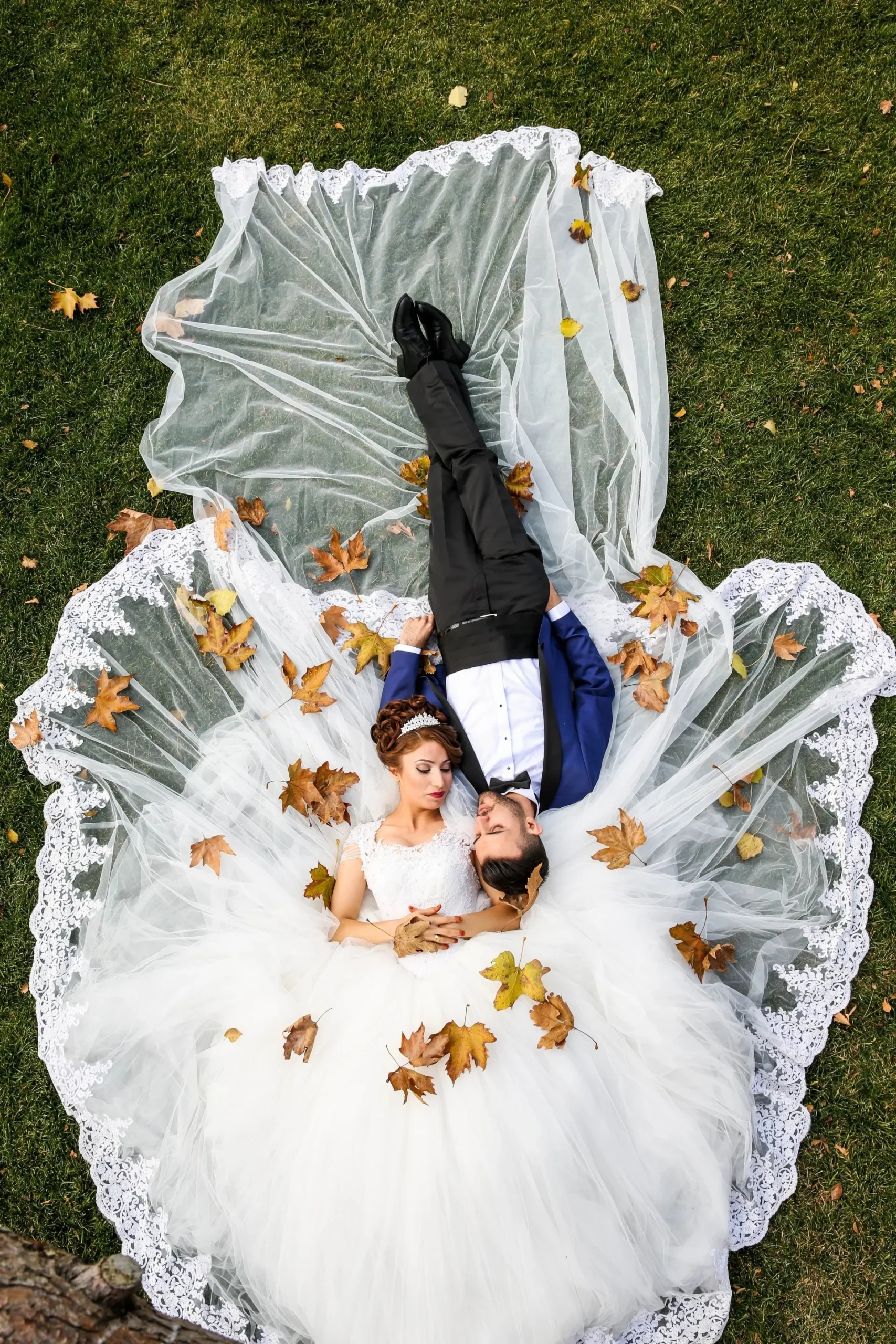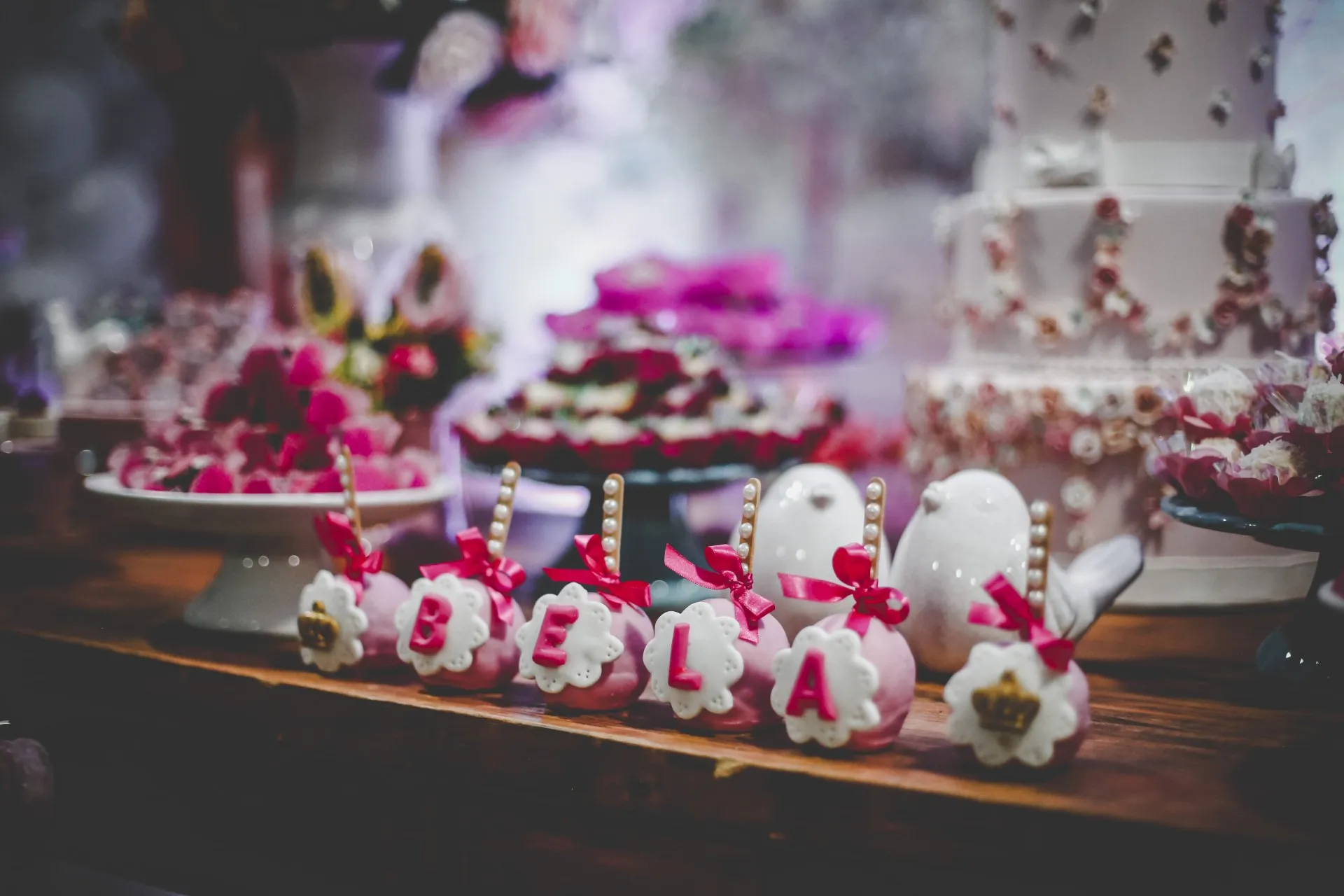
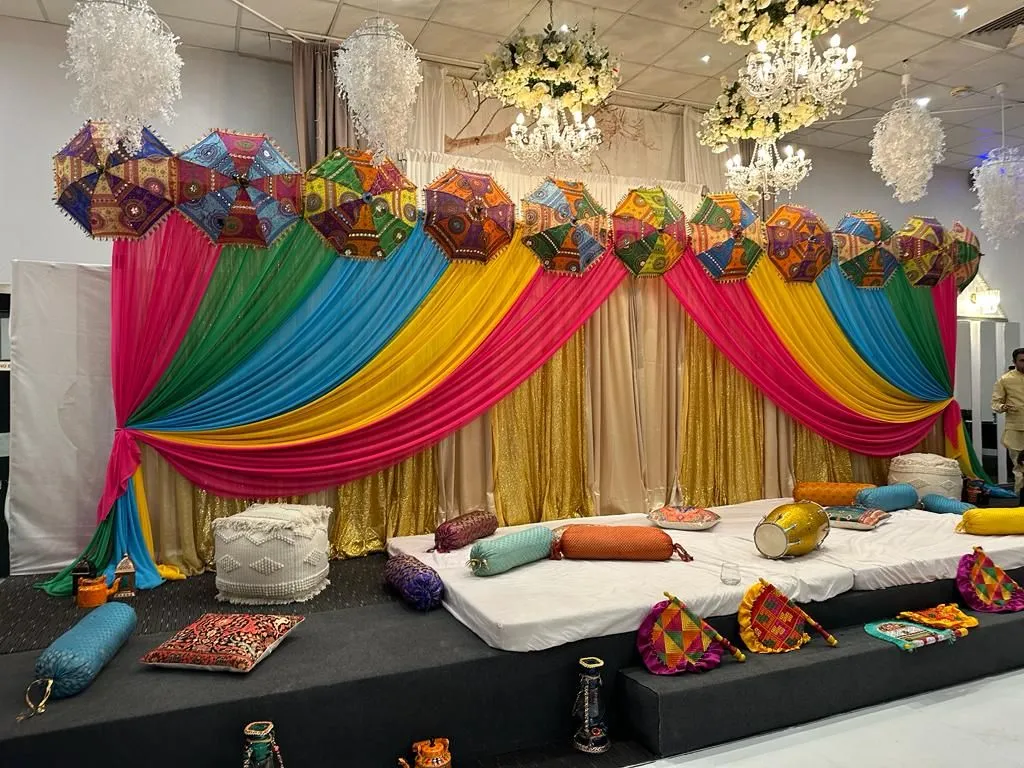
The bride and groom are the centre of every wedding celebration , but most couples underestimate how much responsibility, emotion, and planning lands on them during the process. Weddings look effortless from the outside because people only see the polished ceremony, not the months of decisions, expectations, timelines, and family dynamics underneath it.
Understanding the traditional and modern roles of the bride and groom helps couples move through the wedding day with less stress and more confidence. From ceremony traditions to emotional first looks, speeches, attire, and reception moments, every part of the day carries meaning.
This guide breaks down the responsibilities, traditions, and unforgettable wedding day moments every bride and groom should know before walking down the aisle.
The Traditional Role of the Bride and Groom
Traditionally, the bride and groom each had clearly defined wedding responsibilities. While modern weddings are far more flexible, many couples still include elements of these customs because they create structure and emotional significance.
The bride was traditionally responsible for planning details related to the ceremony, attire, and guest experience, while the groom focused on logistics, hosting responsibilities, and family coordination. Today, those lines are blurred, and most successful weddings come from shared planning rather than outdated role division.
Modern couples who split responsibilities intentionally tend to reduce conflict and planning burnout. The mistake most couples make is assuming the wedding will “work itself out” without clear ownership of tasks.
Key Responsibilities Before the Wedding
The months leading up to the wedding matter more than the wedding day itself. Poor planning creates unnecessary stress that eventually shows up during the ceremony and reception.
- Set a realistic budget. Overspending creates pressure that lasts longer than the wedding itself.
- Choose priorities early. Decide what matters most: venue , food, photography, entertainment, or guest experience.
- Divide planning responsibilities. One person carrying the entire workload usually leads to resentment.
- Plan the timeline carefully. Delays on wedding days almost always come from poor scheduling.
- Communicate with family early. Unspoken expectations become problems later.
The couples who enjoy their wedding day most are usually the ones who handled the difficult conversations before the event.
Wedding Traditions for the Bride and Groom
Wedding traditions exist because they create symbolic moments people remember forever. You do not need to follow every tradition, but understanding them helps you decide what actually matters to you.
Tradition Meaning Modern Interpretation Walking down the aisle The transition into married life Some couples now walk together First dance Celebrating unity as a couple Can be formal, choreographed, or casual Exchange of rings Commitment and permanence Still one of the most important moments Wedding vows Public promises between partners Often personalised today Cutting the cake Shared future and partnership Now mostly symbolic and socialThe mistake some couples make is keeping traditions they do not even care about simply because they feel obligated. If a tradition feels forced, guests can usually tell.
The Most Emotional Wedding Day Moments
Most couples think the ceremony itself will be the emotional peak of the day. Often it is not. The strongest moments are usually quieter and less expected.
For some couples, it is the first look before the ceremony. For others, it is hearing vows spoken aloud , seeing family cry during speeches, or sharing a private moment after the ceremony when the pressure finally lifts.
The bride and groom should intentionally create small pauses throughout the day. Without them, weddings become a blur of schedules, photos, and conversations.
One of the smartest things couples can do is schedule ten private minutes alone immediately after the ceremony. Almost nobody regrets doing this. Many regret not doing it.
Bride and Groom Attire Essentials
Wedding attire matters because it shapes confidence, comfort, and the visual tone of the entire event. Couples who prioritise appearance without considering comfort often regret it halfway through the reception.
Wedding Attire Element What Matters Most Common Mistake Bride’s dress Fit and comfort Choosing style over mobility Groom’s suit or tuxedo Tailoring and fabric quality Poor fit ruining appearance Wedding shoes Comfort for long hours Ignoring practicality Accessories Subtle coordination Overcomplicating the look Hair and makeup Natural longevity Overly trendy stylingThe wedding photos will last decades. Trend-chasing usually ages badly. Clean, timeless styling almost always wins long term.
How the Bride and Groom Can Reduce Wedding Stress
Most wedding stress comes from unrealistic expectations, not the actual event itself.
Couples often try to create a “perfect” wedding rather than a meaningful one. Those are not the same thing. Guests remember energy, atmosphere, and emotional connection far more than tiny details.
- Stop trying to please every guest.
- Accept that small things will go wrong.
- Delegate responsibilities on the wedding day.
- Eat and hydrate properly before the ceremony.
- Focus on each other instead of performance.
The couples who enjoy their wedding most are usually the ones who stop obsessing over perfection early enough.
Important Reception Moments
The reception is where the bride and groom interact most directly with guests. Energy matters here more than formal structure.
Some of the most memorable reception moments include:
- The grand entrance
- The first dance
- Parent dances
- Wedding speeches and toasts
- Cake cutting
- The final send-off
The biggest reception mistake is overscheduling. Weddings with nonstop formalities often lose momentum because guests spend too much time waiting.
Modern Bride and Groom Trends
Modern weddings have shifted away from rigid traditions toward more personal experiences.
Today’s couples are writing personal vows, planning private first looks, creating nontraditional seating arrangements, hosting smaller weddings, and prioritising guest experience over excessive formality.
Another growing trend is equal partnership in planning. Weddings still often place disproportionate pressure on brides, even when both people want the event equally. Couples who divide planning fairly usually communicate better throughout the engagement period.
Wedding Day Timeline Tips
A wedding timeline should protect the couple from chaos, not create more of it.
Wedding Timeline Stage Recommended Focus Common Problem Morning preparation Calm environment Too many people in the room Pre-ceremony photos Stay on schedule Running behind early Ceremony Be present emotionally Rushing through moments Reception Guest interaction and enjoyment Too many interruptions End of night Private final moments together Exhaustion and disorganisationA realistic timeline with breathing room matters more than an overly ambitious schedule packed with activities.
Final Thoughts
The role of the bride and groom is not to perform for guests. It is to create a meaningful experience built around commitment, celebration , and shared memories.
The strongest weddings are not necessarily the most expensive or elaborate. They are the ones where the couple stays emotionally connected throughout the day instead of becoming trapped in logistics and expectations.
Traditions matter when they feel meaningful. Planning matters because it protects the experience. But at the centre of everything is still the same simple reality: two people choosing each other publicly and intentionally.
Couples planning a larger event can send a booking enquiry , speak with the team through the contact page , or explore options for a private party. For pre-wedding planning, review ideas for unique bridal shower gifts , bridal shower games , songs with wedding themes , and wedding invitations.
Helpful Related Wedding Resources
FAQs
What are the traditional roles of the bride and groom?
Traditionally, the bride focused on ceremony details and guest experience while the groom handled logistics and hosting responsibilities. Modern couples usually divide responsibilities based on preference rather than tradition.
What are the most important wedding traditions?
Key traditions include exchanging vows, walking down the aisle, the first dance, exchanging rings, and cutting the cake. Couples now customise these traditions more than ever.
How can the bride and groom reduce wedding stress?
Clear planning, shared responsibilities, realistic expectations, and scheduled quiet moments during the day help reduce stress significantly.
What moments are most emotional during weddings?
The first look, vows, speeches, and quiet moments after the ceremony are often the most emotional parts of the day.
How long should a wedding reception last?
Most wedding receptions last between four and six hours depending on the schedule, entertainment, and guest count.