
Latest Wedding Tips & Inspiration
Wedding invitations guide covering wording, timing, RSVP details, design tips, and common mistakes couples should avoid before sending them.
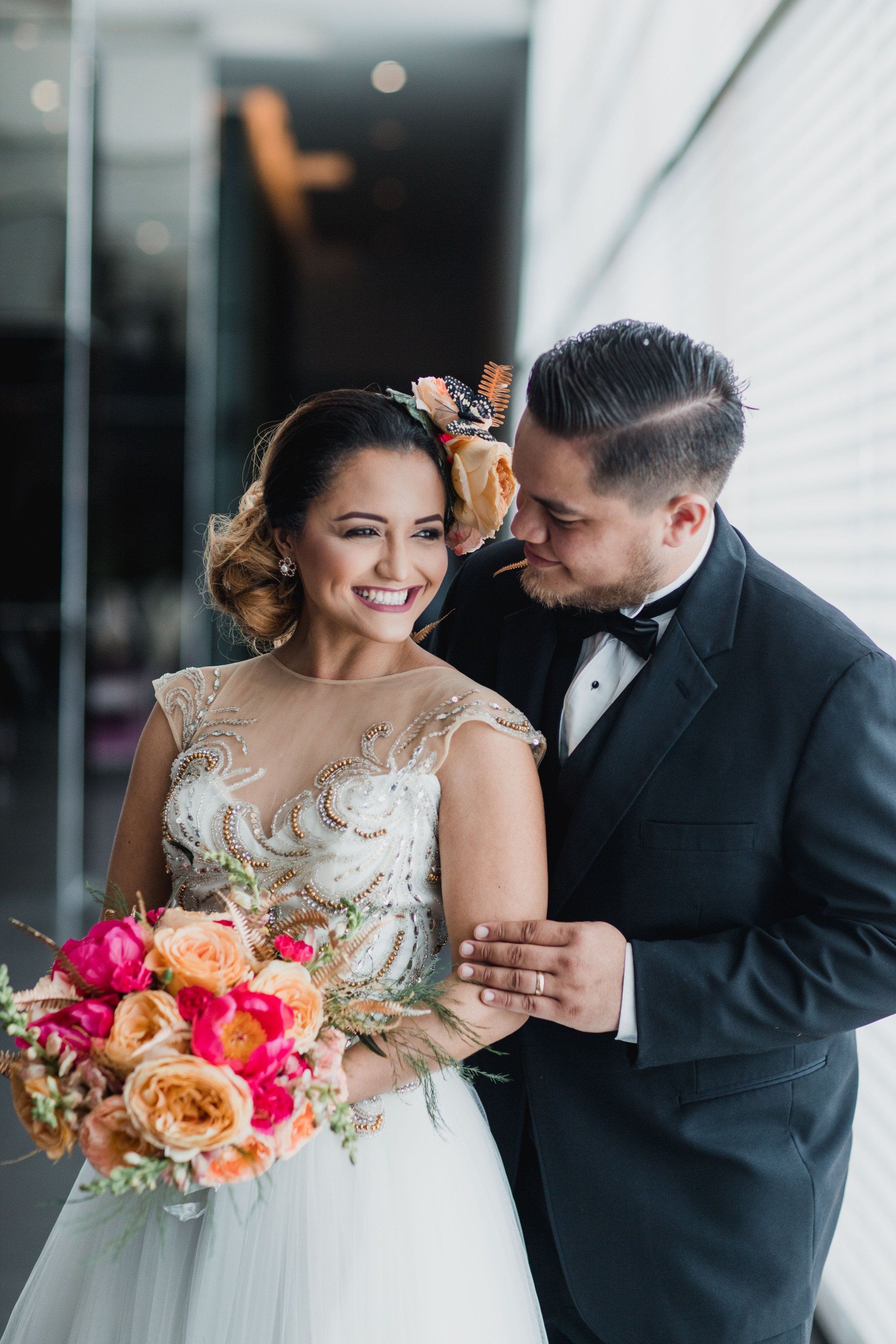
The bride and groom are the centre of every wedding celebration , but most couples underestimate how much responsibility, emotion, and planning lands on them during the process. Weddings look effortless from the outside because people only see the polished ceremony, not the months of decisions, expectations, timelines, and family dynamics underneath it. Understanding the traditional and modern roles of the bride and groom helps couples move through the wedding day with less stress and more confidence. From ceremony traditions to emotional first looks, speeches, attire, and reception moments, every part of the day carries meaning. This guide breaks down the responsibilities, traditions, and unforgettable wedding day moments every bride and groom should know before walking down the aisle. The Traditional Role of the Bride and Groom Traditionally, the bride and groom each had clearly defined wedding responsibilities. While modern weddings are far more flexible, many couples still include elements of these customs because they create structure and emotional significance. The bride was traditionally responsible for planning details related to the ceremony, attire, and guest experience, while the groom focused on logistics, hosting responsibilities, and family coordination. Today, those lines are blurred, and most successful weddings come from shared planning rather than outdated role division. Modern couples who split responsibilities intentionally tend to reduce conflict and planning burnout. The mistake most couples make is assuming the wedding will “work itself out” without clear ownership of tasks. Key Responsibilities Before the Wedding The months leading up to the wedding matter more than the wedding day itself. Poor planning creates unnecessary stress that eventually shows up during the ceremony and reception. Set a realistic budget. Overspending creates pressure that lasts longer than the wedding itself. Choose priorities early. Decide what matters most: venue , food, photography, entertainment, or guest experience. Divide planning responsibilities. One person carrying the entire workload usually leads to resentment. Plan the timeline carefully . Delays on wedding days almost always come from poor scheduling. Communicate with family early. Unspoken expectations become problems later. The couples who enjoy their wedding day most are usually the ones who handled the difficult conversations before the event. Wedding Traditions for the Bride and Groom Wedding traditions exist because they create symbolic moments people remember forever. You do not need to follow every tradition, but understanding them helps you decide what actually matters to you. Tradition Meaning Modern Interpretation Walking down the aisle The transition into married life Some couples now walk together First dance Celebrating unity as a couple Can be formal, choreographed, or casual Exchange of rings Commitment and permanence Still one of the most important moments Wedding vows Public promises between partners Often personalised today Cutting the cake Shared future and partnership Now mostly symbolic and socialThe mistake some couples make is keeping traditions they do not even care about simply because they feel obligated. If a tradition feels forced, guests can usually tell. The Most Emotional Wedding Day Moments Most couples think the ceremony itself will be the emotional peak of the day. Often it is not. The strongest moments are usually quieter and less expected. For some couples, it is the first look before the ceremony. For others, it is hearing vows spoken aloud , seeing family cry during speeches, or sharing a private moment after the ceremony when the pressure finally lifts. The bride and groom should intentionally create small pauses throughout the day. Without them, weddings become a blur of schedules, photos, and conversations. One of the smartest things couples can do is schedule ten private minutes alone immediately after the ceremony. Almost nobody regrets doing this. Many regret not doing it. Bride and Groom Attire Essentials Wedding attire matters because it shapes confidence, comfort, and the visual tone of the entire event. Couples who prioritise appearance without considering comfort often regret it halfway through the reception. Wedding Attire Element What Matters Most Common Mistake Bride's dress Fit and comfort Choosing style over mobility Groom's suit or tuxedo Tailoring and fabric quality Poor fit ruining appearance Wedding shoes Comfort for long hours Ignoring practicality Accessories Subtle coordination Overcomplicating the look Hair and makeup Natural longevity Overly trendy stylingThe wedding photos will last decades. Trend-chasing usually ages badly. Clean, timeless styling almost always wins long term. How the Bride and Groom Can Reduce Wedding Stress Most wedding stress comes from unrealistic expectations, not the actual event itself. Couples often try to create a “perfect” wedding rather than a meaningful one. Those are not the same thing. Guests remember energy, atmosphere, and emotional connection far more than tiny details. Stop trying to please every guest. Accept that small things will go wrong. Delegate responsibilities on the wedding day. Eat and hydrate properly before the ceremony. Focus on each other instead of performance. The couples who enjoy their wedding most are usually the ones who stop obsessing over perfection early enough. Important Reception Moments The reception is where the bride and groom interact most directly with guests. Energy matters here more than formal structure. Some of the most memorable reception moments include: The grand entrance The first dance Parent dances Wedding speeches and toasts Cake cutting The final send-off The biggest reception mistake is overscheduling. Weddings with nonstop formalities often lose momentum because guests spend too much time waiting. Modern Bride and Groom Trends Modern weddings have shifted away from rigid traditions toward more personal experiences. Today’s couples are writing personal vows, planning private first looks, creating nontraditional seating arrangements, hosting smaller weddings, and prioritising guest experience over excessive formality. Another growing trend is equal partnership in planning. Weddings still often place disproportionate pressure on brides, even when both people want the event equally. Couples who divide planning fairly usually communicate better throughout the engagement period. Wedding Day Timeline Tips A wedding timeline should protect the couple from chaos, not create more of it. Wedding Timeline Stage Recommended Focus Common Problem Morning preparation Calm environment Too many people in the room Pre-ceremony photos Stay on schedule Running behind early Ceremony Be present emotionally Rushing through moments Reception Guest interaction and enjoyment Too many interruptions End of night Private final moments together Exhaustion and disorganisationA realistic timeline with breathing room matters more than an overly ambitious schedule packed with activities. Final Thoughts The role of the bride and groom is not to perform for guests. It is to create a meaningful experience built around commitment, celebration , and shared memories. The strongest weddings are not necessarily the most expensive or elaborate. They are the ones where the couple stays emotionally connected throughout the day instead of becoming trapped in logistics and expectations. Traditions matter when they feel meaningful. Planning matters because it protects the experience. But at the centre of everything is still the same simple reality: two people choosing each other publicly and intentionally. Couples planning a larger event can send a booking enquiry , speak with the team through the contact page , or explore options for a private party . For pre-wedding planning, review ideas for unique bridal shower gifts , bridal shower games , songs with wedding themes , and wedding invitations . Helpful Related Wedding Resources FAQs What are the traditional roles of the bride and groom? Traditionally, the bride focused on ceremony details and guest experience while the groom handled logistics and hosting responsibilities. Modern couples usually divide responsibilities based on preference rather than tradition. What are the most important wedding traditions? Key traditions include exchanging vows, walking down the aisle, the first dance, exchanging rings, and cutting the cake. Couples now customise these traditions more than ever. How can the bride and groom reduce wedding stress? Clear planning, shared responsibilities, realistic expectations, and scheduled quiet moments during the day help reduce stress significantly. What moments are most emotional during weddings? The first look, vows, speeches, and quiet moments after the ceremony are often the most emotional parts of the day. How long should a wedding reception last? Most wedding receptions last between four and six hours depending on the schedule, entertainment, and guest count.
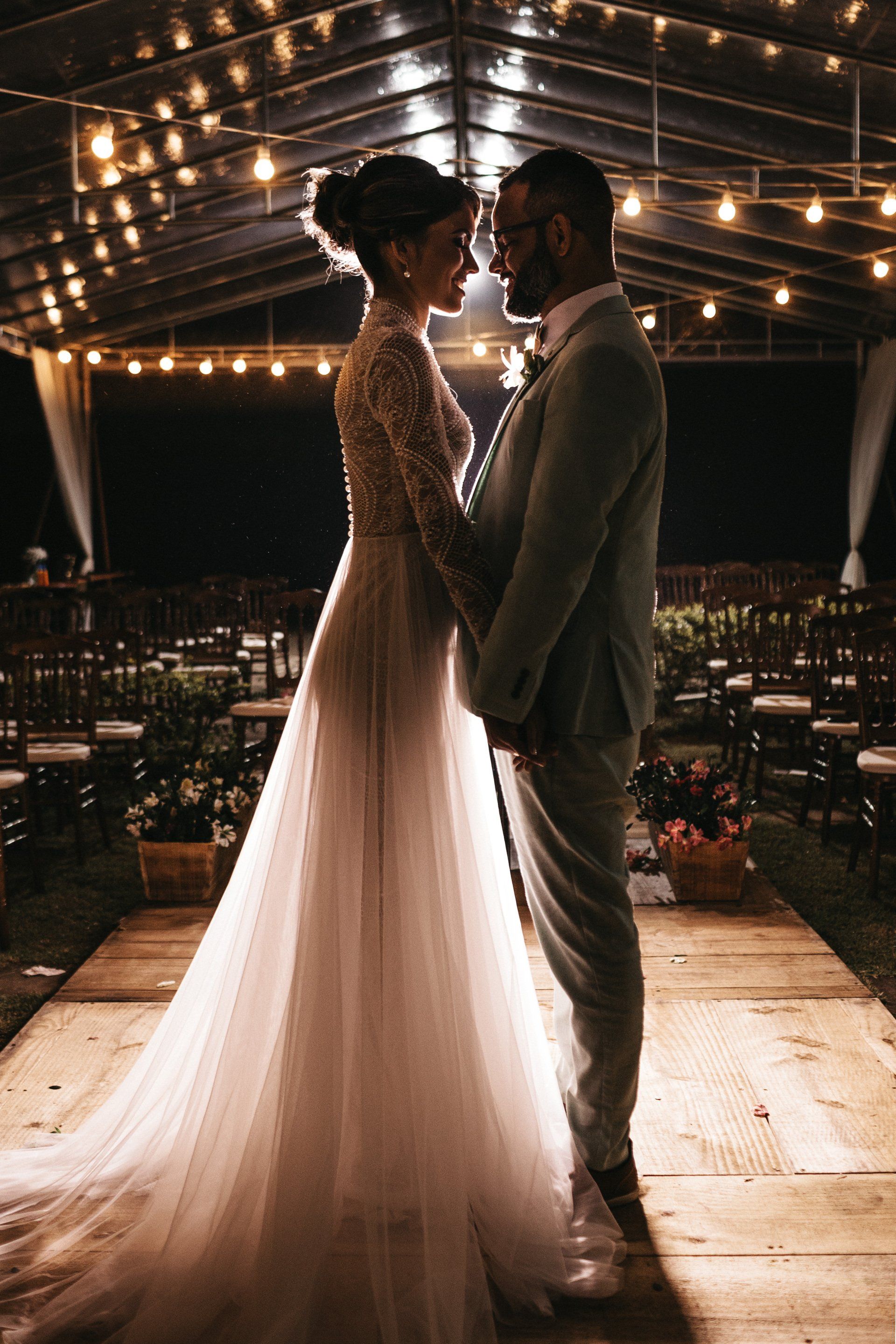
Shopping for wedding dresses sounds exciting until most brides actually start doing it. Then reality hits. Endless styles, aggressive trends, budget pressure, family opinions, confusing sizing, and the fear of choosing the “wrong” dress turn what should feel special into something stressful. The truth is most brides walk into dress shopping completely unprepared. They chase trends instead of fit, buy based on photos instead of comfort, or let too many opinions influence the decision. The result is often regret, overspending, or a dress that photographs well but feels terrible to wear for ten hours. Choosing the perfect wedding dress is not about finding the most expensive gown or the trendiest silhouette. It is about finding the dress that fits your body, your venue, your personality, and the actual experience of your wedding day. This guide breaks down how to choose wedding dresses realistically, avoid common mistakes, and find a gown that still feels right years later when you look back at your photos. Start With Your Wedding Venue and Theme The biggest mistake brides make is shopping for dresses before understanding the environment where the wedding will happen. Your venue should influence your dress choice far more than social media trends. A dramatic cathedral gown with a heavy train may look incredible in a ballroom but become a logistical nightmare for a beach or garden wedding. Similarly, a minimalist slip dress may feel underwhelming in a grand formal venue. Your wedding dress should match the atmosphere of the event. Elegant venues usually support structured gowns and longer trains, while outdoor weddings often require lighter fabrics and easier movement. Wedding Venue Type Best Dress Styles What to Avoid Beach wedding Lightweight chiffon or simple silhouettes Heavy ball gowns and long trains Garden wedding Soft lace, floral details, flowing fabrics Overly structured dresses Ballroom wedding Classic gowns, dramatic silhouettes Overly casual styling Modern city venue Minimalist and sleek designs Excessive embellishments Rustic wedding Relaxed boho or romantic lace styles Overly formal royal-inspired gownsIf the dress fights the venue, something feels off visually, even if people cannot explain why.. Understand Wedding Dress Silhouettes Most brides choose dresses emotionally first and structurally second. That is backwards. Understanding silhouettes immediately narrows the search and prevents wasted appointments. A-line dresses: Universally flattering and balanced for most body shapes. Ball gowns: Dramatic and formal with full skirts. Mermaid dresses: Fitted and glamorous but restrictive to move in. Sheath dresses: Minimal and elegant with a close body fit. Empire waist dresses: Comfortable and softer in shape. The mistake many brides make is forcing themselves into a silhouette they saw online instead of one that actually suits their proportions and comfort level. Choose Comfort Over Fantasy This is the part most people avoid hearing. Your wedding dress is not just for standing still in photos. You will walk, sit, dance, hug people, eat, and potentially wear it for ten to twelve hours. If you cannot breathe properly, raise your arms comfortably, or move naturally, the dress becomes a costume instead of clothing. Many brides prioritise appearance during the fitting and completely ignore physical comfort. Then halfway through the reception they are exhausted, overheated, or desperate to change outfits. The perfect wedding dress should still feel wearable at hour eight, not just beautiful during the fitting room reveal. Set a Realistic Wedding Dress Budget Wedding dresses become financially dangerous when brides shop emotionally without boundaries. The dress itself is rarely the final cost. Alterations, veils, shoes, undergarments, accessories, steaming, preservation, and tailoring add significant expense afterward. Wedding Dress Expense Typical Additional Cost Often Forgotten? Alterations High Yes Veil and accessories Moderate Yes Wedding shoes Moderate Sometimes Dress steaming and cleaning Moderate Often Dress preservation Optional UsuallyThe smartest brides decide their maximum budget before entering boutiques, not after trying on dresses they cannot realistically afford. Bring Fewer Opinions to Dress Appointments Too many opinions ruin dress shopping. Brides often bring large groups to appointments expecting support and end up overwhelmed by conflicting preferences. One person wants glamour, another wants tradition, another hates lace, another loves sleeves. The result is confusion instead of clarity. Bring only the people whose opinions genuinely matter and who understand your personality. Not everyone deserves influence over your decision. The dress needs to reflect you, not the collective preferences of your bridal party. Pay Attention to Fabric and Season Fabric affects everything: comfort, movement, appearance, temperature, and how the dress photographs. Satin: Structured and formal Tulle: Soft and romantic Lace: Detailed and timeless Chiffon: Lightweight and flowing Crepe: Modern and clean A heavy satin dress during peak summer can become miserable after a few hours outdoors. Similarly, extremely lightweight fabrics may feel out of place during formal winter weddings. Choose fabric based on season and practicality, not just appearance. Wedding Dress Shopping Timeline Waiting too long to shop creates unnecessary panic. Wedding Timeline Stage Recommended Timing Reason Start dress shopping 9 to 12 months before Designer lead times are long Order the dress 6 to 9 months before Allows production time First alterations 2 to 3 months before Proper tailoring schedule Final fitting 2 to 4 weeks before Final adjustments Dress steaming and preparation Wedding week Ensures fresh presentationLast-minute shopping dramatically limits options and increases stress. How to Know You Found the Right Wedding Dress Ignore the fantasy people sell online about instantly crying the moment you find “the one.” That does happen sometimes, but often the right dress feels calm rather than dramatic. The right wedding dress usually checks these boxes: You feel comfortable moving in it You stop comparing it to every other dress The style feels authentic to you You can picture wearing it for the full wedding day You feel confident rather than self-conscious If you constantly need reassurance from other people, you probably are not fully convinced yourself. Common Wedding Dress Mistakes to Avoid Several mistakes appear repeatedly during dress shopping. Buying a dress too early before choosing a venue Choosing trends that age quickly Ignoring tailoring costs Shopping above budget Trying to satisfy everyone else's preferences Choosing appearance over comfort The wedding industry profits from emotional decision-making. Brides who stay practical usually end up happier with their final choice. Final Thoughts The perfect wedding dress is not the most expensive gown, the trendiest design, or the dress that gets the biggest reaction online. It is the dress that fits your body properly, matches your wedding naturally, feels comfortable throughout the day, and still looks timeless years later. Most importantly, the dress should make you feel like yourself at your absolute best, not like someone trying to imitate a Pinterest board. Wedding dresses matter because they become part of one of the biggest memories of your life. But the dress should support the experience, not become the entire experience itself. FAQs When should I start shopping for wedding dresses? Most brides should begin shopping 9 to 12 months before the wedding to allow enough time for ordering and alterations. How much should I budget for a wedding dress? Your budget should include the dress, alterations, accessories, shoes, and cleaning costs, not just the gown itself. Which wedding dress silhouette is most flattering? A-line wedding dresses are considered the most universally flattering because they suit many body shapes and wedding styles. How many people should I bring to dress appointments? Bring only a small group of trusted people whose opinions genuinely matter. Too many opinions often create confusion. Should comfort matter when choosing a wedding dress? Yes. You will wear the dress for many hours, so comfort, mobility, and practicality matter just as much as appearance.

The wedding ceremony is the heart of the entire celebration. It is the moment where two people publicly commit to each other in front of family, friends, and the people who matter most. This is why many couples spend time thinking carefully about their wedding vows and nuptials. The phrase wedding nuptials vows often refers to the words spoken during the ceremony, especially the promises exchanged between the couple. These words can be traditional, personal, religious, modern, short, romantic, or a mix of different styles. What matters most is that the vows feel honest and suitable for the ceremony you are planning. You do not need perfect poetry. You need clear, meaningful words that reflect your relationship and the commitment you are making. At Golden Castle Function Centre, wedding ceremonies are shaped around atmosphere, timing, and the couple’s vision. Whether your ceremony is formal, intimate, cultural, or modern, your vows should support the feeling of the day. If you are still organising the order of your wedding day, our guide on how to plan a wedding timeline can help you understand where the vows fit into the full celebration. What Are Wedding Nuptials? Nuptials simply refers to a wedding or marriage ceremony. When people say wedding nuptials, they are usually talking about the formal ceremony where the couple gets married. This ceremony may include the processional, welcome words, readings, vows, ring exchange, pronouncement, signing, and recessional. The exact structure depends on your culture, religion, celebrant, and personal preferences. The vows are one of the most important parts of the nuptials because they express the promises being made. They are not just decorative words. They are the emotional and symbolic centre of the ceremony. Some couples use traditional vows. Others write their own. Some combine both by keeping the legal or ceremonial wording and adding personal promises. What Are Wedding Vows? Wedding vows are the promises exchanged during the ceremony. They usually express love, loyalty, commitment, partnership, and support. Traditional vows often include promises to stand by each other through good times and difficult times. Personal vows may include memories, shared values, private promises, or words that reflect the couple’s journey. Vows do not need to be long. In many ceremonies, vows are only one to three minutes per person. Short vows can be powerful when they are thoughtful and specific. The goal is not to impress every guest. The goal is to speak clearly to your partner and say what you truly mean. When Do You Say Vows During the Ceremony? Wedding vows are usually spoken after the opening words, any readings, and the celebrant’s introduction to the commitment. They often come before the ring exchange. A simple ceremony order may look like this: Processional entrance Welcome from the celebrant or officiant Opening words about marriage Optional reading or blessing Wedding vows Ring exchange Pronouncement of marriage First kiss Signing if required Recessional exit Your celebrant or officiant can confirm the exact order. If you are planning your ceremony and reception together, choosing the right venue layout can also help the ceremony flow smoothly. You can learn more about planning the venue side of the day in our guide on how to choose a wedding venue . Traditional Wedding Vows Traditional wedding vows are often used in religious or formal ceremonies. They are familiar, timeless, and simple. Many traditional vows include promises to love, honour, comfort, and remain faithful. They may also include wording about staying together through sickness and health, joy and hardship, or better and worse seasons of life. Traditional vows can be a good choice if you want the ceremony to feel classic. They also work well when families expect a formal structure. However, traditional vows do not have to feel impersonal. You can still add a personal reading, a short private note, or a personal promise after the formal vows. Personal Wedding Vows Personal wedding vows are written by the couple. They are usually more emotional and specific because they include real memories, shared experiences, and individual promises. Personal vows can be romantic, heartfelt, funny, spiritual, or simple. The best ones sound like the person speaking them. A personal vow might mention when you first knew your partner was the right person. It might include what you admire most about them. It might include promises about the life you want to build together. The main risk with personal vows is trying too hard. If the language sounds unnatural, guests will notice. Clear and honest words usually work better than overly dramatic writing. What Should You Say During Wedding Vows? Good wedding vows usually include a few key elements. You do not need all of them, but they give you a strong structure. Vow Section What to Include Example Idea Opening Address your partner directly “Today, standing here with you, I feel grateful and ready.” Memory Share one meaningful moment The day you realised this relationship was different Admiration Name qualities you love Kindness, patience, humour, loyalty, strength Promises Make clear commitments Support, honesty, care, respect, partnership Closing End with a final commitment “I choose you today and every day after.”This structure keeps your vows focused. It also helps you avoid rambling or turning the vows into a long story. Short Wedding Vow Example Short vows can still feel emotional when every line has purpose. Here is a simple example: “Today, I promise to love you with patience, honesty, and care. I promise to support you in difficult moments, celebrate with you in joyful ones, and keep choosing us through every season of life. You are my partner, my home, and my greatest commitment.” This type of vow works well for couples who want something sincere but not too long. Romantic Wedding Vow Example Romantic vows should feel warm without becoming overly dramatic. Here is an example: “From the moment you became part of my life, everything felt more grounded, more joyful, and more complete. I promise to protect our love, to listen with patience, to speak with kindness, and to build a life with you that feels safe, honest, and full of meaning. I choose you today with my whole heart.” This style works well for emotional ceremonies where the couple wants the vows to feel deeply personal. Modern Wedding Vow Example Modern vows often feel more conversational. They are direct, personal, and natural. Here is an example: “I promise to be on your team, even on the hard days. I promise to laugh with you, grow with you, respect you, and keep showing up for the life we are building. I will support your dreams, share the ordinary moments, and never take for granted the love we have found.” This style is ideal for couples who want vows that sound warm but not too formal. How Long Should Wedding Vows Be? Most wedding vows are best kept between one and three minutes. This is usually enough time to say something meaningful without losing the attention of the room. In word count, that often means around 150 to 300 words. If your vows are much longer, they may start to feel more like a speech than a vow. Couples should agree on length before writing. This avoids one person reading a short paragraph while the other reads several pages. If you have more to say, consider writing a private letter to your partner and keeping the ceremony vows shorter. Should Wedding Vows Be Funny? Humour can work beautifully in wedding vows, but it needs balance. A light joke can make the moment feel natural and warm. Too many jokes can make the vows feel less serious. The ceremony is still a commitment, so sincerity should carry the main message. A good rule is to include one gentle personal detail, not a full comedy routine. Avoid embarrassing your partner or mentioning anything too private. The safest humour is affectionate. It should make your partner smile, not feel exposed. What Not to Say in Wedding Vows Some topics do not belong in ceremony vows. Even if they feel funny or honest, they can distract from the meaning of the moment. Avoid mentioning past arguments, former relationships, private conflicts, financial stress, family tension, or anything that could embarrass your partner. Also avoid making promises you cannot realistically keep. “I will never upset you” sounds romantic, but it is not realistic. “I will keep choosing patience and honesty” is stronger and more believable. Do not copy vows word for word from the internet. Examples can help with structure, but the final words should sound like you. Wedding Vows and Ceremony Planning Your vows should match the style of your ceremony. A large formal wedding may call for more polished wording. A relaxed ceremony may suit a more natural tone. The venue also affects how vows feel. A grand function space can make formal vows feel powerful. A smaller ceremony setting can make personal vows feel intimate. Golden Castle Function Centre offers a flexible setting for wedding ceremonies, receptions, and family celebrations. You can explore our wedding venue page to see how your ceremony and reception can come together in one elegant space. You can also browse our gallery to get a better sense of the atmosphere, layout, and event styling options. How to Practise Your Wedding Vows Once your vows are written, read them aloud several times. This helps you hear whether the words sound natural. Time yourself while reading. If the vows feel too long, cut repeated ideas. If they feel too short, add one memory or one meaningful promise. Print your vows or write them in a vow book. Do not rely on memory. Wedding day nerves can make even simple words hard to remember. Speak slowly during the ceremony. Look at your partner between lines. Let the words breathe. Planning the Full Wedding Celebration Wedding vows are only one part of the day, but they influence the emotional tone of everything that follows. After the vows, the celebration continues with photos, dining, speeches, dancing, and time with family and friends. A well planned venue helps these parts connect smoothly. If you are ready to start planning, you can send a request through our booking enquiry page. For pre wedding events, engagement celebrations, or family gatherings, Golden Castle Function Centre also offers options for private party bookings and special celebrations . Final Thoughts Wedding vows and nuptials are about more than ceremony wording. They are about the promises that begin your married life. You can choose traditional vows, personal vows, or a combination of both. The best choice is the one that feels honest, respectful, and true to your relationship. Keep your vows clear. Speak from real experience. Make promises you genuinely intend to keep. Practise before the day, then allow yourself to be present in the moment. Golden Castle Function Centre provides an elegant setting for couples who want their ceremony and celebration to feel meaningful from start to finish. To discuss your wedding plans, visit our contact page and speak with our team. FAQs What does nuptials mean in a wedding? Nuptials means the wedding or marriage ceremony. It usually refers to the formal part of the day where the couple exchanges vows and becomes married. Are wedding vows legally required? Requirements depend on the location and ceremony type. Many ceremonies include legally required wording, while personal vows are often optional. Your celebrant or officiant can confirm what is needed. How long should wedding vows be? Wedding vows are usually best kept between one and three minutes. This gives enough time to say something meaningful without making the ceremony feel too long. Can we write our own wedding vows? Yes. Many couples write their own vows to make the ceremony more personal. You can also combine personal vows with traditional or formal ceremony wording. What should I say in my wedding vows? Include a short memory, what you love about your partner, and a few meaningful promises. Keep the wording honest, clear, and natural to your voice.
Music is one of the most powerful parts of a wedding day. It sets the mood, guides emotion, and helps every special moment feel more memorable. The right song can make a ceremony entrance feel graceful, a first dance feel intimate, and a reception feel full of energy. Choosing the best wedding songs is not only about selecting popular music. It is about choosing songs that match your story, your culture, your venue, your guests, and the feeling you want for each part of the day. At Golden Castle Function Centre, music plays a major role in creating the right atmosphere for wedding celebrations. Whether you are planning a traditional reception, a modern wedding, or a large family celebration, your song choices should support the flow of the entire event. If you are still organising your wedding schedule, our guide on how to plan a wedding timeline can help you structure the day before finalising your music list. Why Wedding Songs Matter Wedding songs do more than fill silence. They create emotional signals throughout the day. Guests know when to stand, when to celebrate, when to listen, and when to dance because the music helps guide the moment. A soft ceremony song can calm the room before the vows. A joyful recessional song can make the first walk as a married couple feel exciting. A romantic first dance song can bring focus back to the couple after the formalities. The best wedding songs also help reflect your personality. Some couples prefer timeless classics. Others want modern love songs, cultural music, acoustic covers, or energetic dance tracks. There is no single perfect wedding playlist. The right playlist is the one that feels natural for you and works well with your wedding setting. Best Wedding Songs for the Ceremony Entrance The ceremony entrance is one of the most emotional parts of the wedding. This is where the music should feel meaningful, elegant, and calm. Many couples choose soft romantic songs or instrumental versions for this moment. Piano, strings, acoustic guitar, and orchestral arrangements work especially well because they do not overpower the ceremony. Popular ceremony entrance songs include: A Thousand Years by Christina Perri Canon in D by Pachelbel Can’t Help Falling in Love by Elvis Presley All of Me by John Legend Here Comes the Sun by The Beatles At Last by Etta James Make You Feel My Love by Adele If you want a more traditional ceremony, classical music may be the better choice. If you want something modern and personal, choose a song that connects to your relationship. Best Wedding Songs for the Recessional The recessional is the moment after the couple is officially married. The mood should shift from emotional to joyful. This song should feel bright, celebratory, and confident. It should make guests smile, clap, and feel the excitement of the moment. Strong recessional song choices include: Signed, Sealed, Delivered by Stevie Wonder You Make My Dreams by Hall and Oates Marry You by Bruno Mars Love on Top by Beyoncé Happy by Pharrell Williams Best Day of My Life by American Authors The best recessional songs are usually upbeat without feeling too intense. You want the music to feel like the beginning of the celebration. Best Wedding Songs for the Reception Entrance The reception entrance is where the energy rises. This is your chance to shift from formal ceremony mood to celebration mode. The song should match your personality as a couple. Some couples want a glamorous entrance. Others prefer something fun, playful, or dramatic. Reception entrance song ideas include: Crazy in Love by Beyoncé Can’t Stop the Feeling by Justin Timberlake Uptown Funk by Mark Ronson featuring Bruno Mars I Gotta Feeling by The Black Eyed Peas 24K Magic by Bruno Mars Shut Up and Dance by Walk the Moon If your reception includes a bridal party entrance, choose a song with enough energy for multiple entrances. If only the couple is entering, choose something that makes the moment feel personal and memorable. For couples still choosing the right setting, our guide on how to choose a wedding venue can help you think through atmosphere, layout, and guest experience. Best Wedding Songs for the First Dance The first dance is one of the most personal music choices of the day. This song should feel connected to your relationship, not just popular. Some couples choose a song from their early relationship. Others choose lyrics that reflect their future together. Some prefer a slow romantic dance, while others choreograph something more playful. Popular first dance songs include: Perfect by Ed Sheeran Thinking Out Loud by Ed Sheeran All of Me by John Legend At Last by Etta James Can’t Help Falling in Love by Elvis Presley You Are the Best Thing by Ray LaMontagne Until I Found You by Stephen Sanchez Before choosing a first dance song, read the full lyrics. Some songs sound romantic but have sad or complicated meanings. The lyrics should match the message you want to share. Best Wedding Songs for Parent Dances Parent dances are emotional because they honour family relationships. These songs should feel sincere and respectful. For a father and daughter dance, popular choices include: Isn’t She Lovely by Stevie Wonder My Girl by The Temptations Father and Daughter by Paul Simon Butterfly Kisses by Bob Carlisle You’ll Be in My Heart by Phil Collins For a mother and son dance, popular choices include: A Song for Mama by Boyz II Men Simple Man by Lynyrd Skynyrd Forever Young by Rod Stewart What a Wonderful World by Louis Armstrong Stand by Me by Ben E. King If you want the moment to feel less formal, you can choose a shorter version of the song or ask your DJ to fade it out after one or two minutes. Best Wedding Songs for Dinner and Background Music Dinner music should support conversation. It should be pleasant, warm, and not too loud. This part of the wedding works best with acoustic, jazz, soul, soft pop, or instrumental music. The goal is to create atmosphere without distracting guests. Good dinner music choices include: Come Away With Me by Norah Jones Better Together by Jack Johnson Lovely Day by Bill Withers Dreams by Fleetwood Mac Sunday Morning by Maroon 5 Fly Me to the Moon by Frank Sinatra If you are hosting your event at a formal function venue, dinner music should match the elegance of the room. You can view our gallery to get a better sense of how different reception styles can influence your music choices. Best Wedding Songs for the Dance Floor Once the formal moments are complete, the dance floor needs music that brings guests together. A good wedding playlist includes songs for different ages, cultures, and energy levels. The best wedding songs for dancing are familiar, upbeat, and easy to enjoy. You do not need every song to be current. In fact, classic crowd favourites often work better because more guests know them. Great dance floor songs include: September by Earth, Wind and Fire Dancing Queen by ABBA Mr. Brightside by The Killers Yeah! by Usher Don’t Stop Me Now by Queen Levitating by Dua Lipa Shake It Off by Taylor Swift Low by Flo Rida Superstition by Stevie Wonder Wannabe by Spice Girls A strong DJ or band will read the room and adjust the music as the night develops. The playlist should have structure, but it should not be so rigid that the entertainment team cannot respond to the crowd. Common Wedding Music Mistakes to Avoid One common mistake is choosing songs only because they are popular. Popular songs can work well, but they still need to suit your relationship and the moment. Another mistake is ignoring lyrics. Some songs have beautiful melodies but sad, bitter, or unsuitable lyrics. Always read the words before choosing a ceremony or first dance song. Couples also sometimes make the playlist too narrow. If every song reflects only one taste, some guests may feel left out. A good wedding playlist balances personal meaning with guest enjoyment. Another mistake is forgetting sound transitions. A quiet ceremony song, a loud reception entrance, and a romantic first dance all need different timing and volume. This is why communication with your DJ, band, and venue team is important. Final Song Ideas to End the Wedding The final song should leave guests with a strong memory. It can be emotional, fun, nostalgic, or energetic. Popular final wedding songs include: Don’t Stop Believin’ by Journey Time of My Life by Bill Medley and Jennifer Warnes Last Dance by Donna Summer Closing Time by Semisonic Sweet Caroline by Neil Diamond Wonderwall by Oasis If you want a romantic ending, choose something slower and meaningful. If you want a big final moment, choose a song everyone can sing along to. Plan Your Wedding Music with the Right Venue The best wedding songs feel even better when the setting supports them. Room layout, sound quality, lighting, entrance space, and dance floor placement all affect how music lands during the event. Golden Castle Function Centre provides a beautiful setting for weddings, celebrations, and private events. From ceremony flow to reception atmosphere, the right venue helps every song feel more meaningful. If you are planning your wedding, you can start by visiting our booking enquiry page or contacting our team through the contact page . For related celebrations before or after the wedding, you can also explore our private party options and celebration venue services. FAQs What are the best wedding songs for a first dance? Popular first dance songs include Perfect by Ed Sheeran, All of Me by John Legend, At Last by Etta James, and Can’t Help Falling in Love by Elvis Presley. The best choice is a song that feels personal to your relationship. How many songs do you need for a wedding? You usually need songs for the ceremony entrance, signing, recessional, reception entrance, first dance, parent dances, dinner music, cake cutting, dance floor, and final song. Your DJ or band can help build the full playlist. Should wedding songs be modern or classic? Both can work well. Modern songs can feel personal and current, while classic songs often connect with more guests. A balanced playlist usually includes both. Can we use cultural or traditional songs at our wedding? Yes. Cultural and traditional songs can make the wedding feel more personal and meaningful. They can be included during the ceremony, entrances, dinner, dancing, or family moments. When should we choose our wedding songs? Start choosing your key wedding songs at least two to three months before the wedding. This gives you time to confirm choices with your DJ, band, celebrant, and venue team.

Music is one of the easiest ways to give a wedding its own personality. The right track lifts the moment the bride starts walking down the aisle, sets the mood through dinner, and brings everyone onto the dance floor when the speeches end. Choosing songs with wedding day meaning to the couple is part of what turns a beautiful event into a memorable one. This guide from Golden Castle Function Centre walks through the best music choices for each part of the day, from ceremony to reception to the final song of the night. If you are still finalising where the day will take place, our wedding venue page covers what we offer for receptions of every size. How to Choose the Right Wedding Songs Music should match the couple, the room, and the rhythm of the day. Start with three things. What kind of music do you both genuinely love? What suits the venue and time of year? And who is in the room, including older family members, friends, and children? A wedding playlist usually mixes a few familiar crowd pleasers with songs that mean something to the couple. Talk through your choices with your DJ, band, MC, celebrant, and venue team early so timing lines up cleanly across the day. Best Wedding Ceremony Songs for Australian Couples Ceremony music sets the tone before either of you says a word. Most ceremonies need four short pieces of music: guest arrival, bridal party entrance, bride entrance, and ceremony exit, plus something soft during the signing of the register. Couples can mix classical, acoustic, and modern pop, depending on the style of the day. An acoustic guitarist or string trio also brings a different feel to a ceremony than a recorded track played through a sound system. Bridal Entrance Songs This is the moment guests stand and turn. Choose a song that fits the length of the walk and the feeling you want to carry down the aisle. Romantic and classical favourites include Pachelbel's Canon in D, Wagner's Bridal Chorus, and instrumental versions of A Thousand Years by Christina Perri or Marry Me by Train. Modern options include Perfect by Ed Sheeran, All of Me by John Legend, and acoustic covers of any song the couple loves. Time the music to your aisle. Most aisles take 30 to 60 seconds to walk. Cue the song so the bride's entrance lands during the most powerful part, then fade gently once she reaches the front. Signing of the Register Songs This is background music. Guests are waiting, photos are being taken, and the couple is signing paperwork. Soft, elegant tracks suit this moment. At Last by Etta James, Make You Feel My Love by Adele, Better Together by Jack Johnson, Sunrise by Norah Jones, and instrumental jazz or acoustic covers all work well. Plan for two short songs rather than one. The signing usually takes longer than couples expect. Ceremony Exit Songs The exit is the first joyful moment as a married couple, so this song should lift the room. Upbeat options include Signed, Sealed, Delivered by Stevie Wonder, Marry You by Bruno Mars, Best Day of My Life by American Authors, and Walking on Sunshine by Katrina and the Waves. Pick something the two of you would happily sing along to. Reception Entrance Songs The bridal party entrance announces the start of the reception and gets the room cheering. Big, recognisable tracks work best. Don't Stop Me Now by Queen, Uptown Funk by Bruno Mars, Happy by Pharrell Williams, and I Gotta Feeling by The Black Eyed Peas all suit a function centre entrance. Couples sometimes choose a separate, slightly more romantic song for their own arrival after the bridal party. Dinner Music for Canapés, Entrée, Main Course, and Dessert Dinner music sits in the background and supports conversation. Volume matters more than genre during this part of the night. Acoustic covers, soft jazz, instrumental movie soundtracks, and easy listening all work well. Many couples build a playlist a few hours long and let it run from canapés through to dessert, gradually shifting from softer tracks during entrée to slightly livelier songs by the time dessert reaches the table. If you have a live band, ask them to play their gentler set during dinner and save bigger numbers for after the speeches. First Dance Songs The first dance is the most photographed musical moment of the reception, so the song deserves a careful shortlist. Popular choices include Perfect by Ed Sheeran, Thinking Out Loud by Ed Sheeran, At Last by Etta James, Can't Help Falling in Love by Elvis Presley, All of Me by John Legend, and Your Song by Elton John. Couples who want something less expected often choose an acoustic or jazz cover of a favourite pop song. Read the lyrics from start to finish before locking in your choice. Some lovely sounding songs have lines that do not suit a wedding. Most first dance songs run three and a half to four minutes, which can feel long on the dance floor. Many couples shorten the track to around two and a half minutes, or invite the bridal party and parents to join after the first chorus. Parent Dance Songs Parent dances are some of the most emotional moments of the night. Father and daughter favourites include My Girl by The Temptations, What a Wonderful World by Louis Armstrong, Isn't She Lovely by Stevie Wonder, and I Loved Her First by Heartland. For a Mum and son dance, popular choices include A Song for Mama by Boyz II Men, Stand By Me by Ben E. King, You'll Be in My Heart by Phil Collins, and Simple Man by Lynyrd Skynyrd. If a parent has passed, some couples honour them with a quiet dedication during the speeches or play a meaningful song during a candle moment instead. Cake Cutting Songs The cake cutting is short, so the song only needs to fit the moment, not fill the room for long. Light, familiar tracks work well. Sugar by Maroon 5, How Sweet It Is by James Taylor, L-O-V-E by Nat King Cole, and Sweet Caroline by Neil Diamond are reliable favourites. Pick something the photographer can shoot to without the moment feeling rushed. Songs to Open the Dance Floor The first dance floor song after speeches sets the tone for the rest of the night. Choose something familiar, upbeat, and easy to dance to across age groups. September by Earth, Wind & Fire, Dancing Queen by ABBA, Twist and Shout by The Beatles, Shut Up and Dance by Walk the Moon, and Mr Brightside by The Killers all fill a dance floor reliably at Australian weddings. Give your DJ a few do not play tracks alongside your favourites. The same song can please the bride and clear the floor for older relatives. Final Song of the Night The last song is the one guests carry home in their heads, so make it count. Time of My Life from Dirty Dancing, Closing Time by Semisonic, New York New York by Frank Sinatra, Don't Stop Believin' by Journey, and Wonderwall by Oasis are popular closers for a reason. A slow, sentimental song also works if you want a quieter goodbye. Coordinate the final song with your MC and venue team so guests can gather on the dance floor for the farewell. Common Wedding Music Mistakes to Avoid A few common slips can flatten a great playlist. Choosing songs without reading the lyrics from start to finish. Leaving music planning until the last few weeks. Ignoring the age range in the room when planning the dance floor. Playing dinner music too loudly so guests cannot hear each other. Forgetting to coordinate timing with the DJ, band, MC, celebrant, and venue. Picking a first dance song that is too long or too slow to dance to. Not having a backup plan if a live musician runs late. Skipping a sound check before the ceremony. How Your Venue Helps the Music Flow A function centre shapes how music is delivered, heard, and timed across the day. The right room has a sound system that handles speeches, music, and a live band cleanly. It has a layout that lets the bridal table, dance floor, and DJ booth share the space without crowding each other. And it has a coordinator who keeps the schedule tight so songs land where they should. Slot your music plan into your wedding timeline and share it with the venue early. Golden Castle Function Centre supports elegant wedding receptions across a range of styles. Have a look at our event gallery to see how the room is set up for ceremonies, dinners, and dancing. Final Thoughts The best wedding music is a mix of personal favourites and crowd pleasers, timed cleanly across the day and delivered through a sound system that suits the venue. Start with the ceremony, plan each reception moment in turn, and check the lyrics on every shortlisted song before you commit. When you are ready to start planning, send a booking enquiry or contact Golden Castle Function Centre to talk through your reception with our team. Frequently Asked Questions How many songs do you need for a wedding day? Most couples need around five ceremony songs, two to three hours of dinner music, six to ten reception highlight songs, and a longer dance floor playlist. Your DJ or band can help build the full list. How long should a first dance song be? Three and a half to four minutes is the natural length of most first dance songs, but many couples shorten the track to around two and a half minutes or invite others to join after the first chorus. Should we hire a DJ or a live band? Both work well. DJs handle smooth transitions, exact timing, and a wider music library. Live bands bring more atmosphere and a stronger live performance feel. Some receptions use both across different parts of the night. When should the bridal entrance song start? Cue the music when the bridal party begins moving, then time the strongest part of the song for the bride's entrance. A short instrumental intro before her walk gives the moment more impact. Can guests request songs at the reception? Yes, if you are comfortable with it. Many DJs offer a request system through QR codes or a guest playlist. Give your DJ a clear do not play list so the night stays on tone.
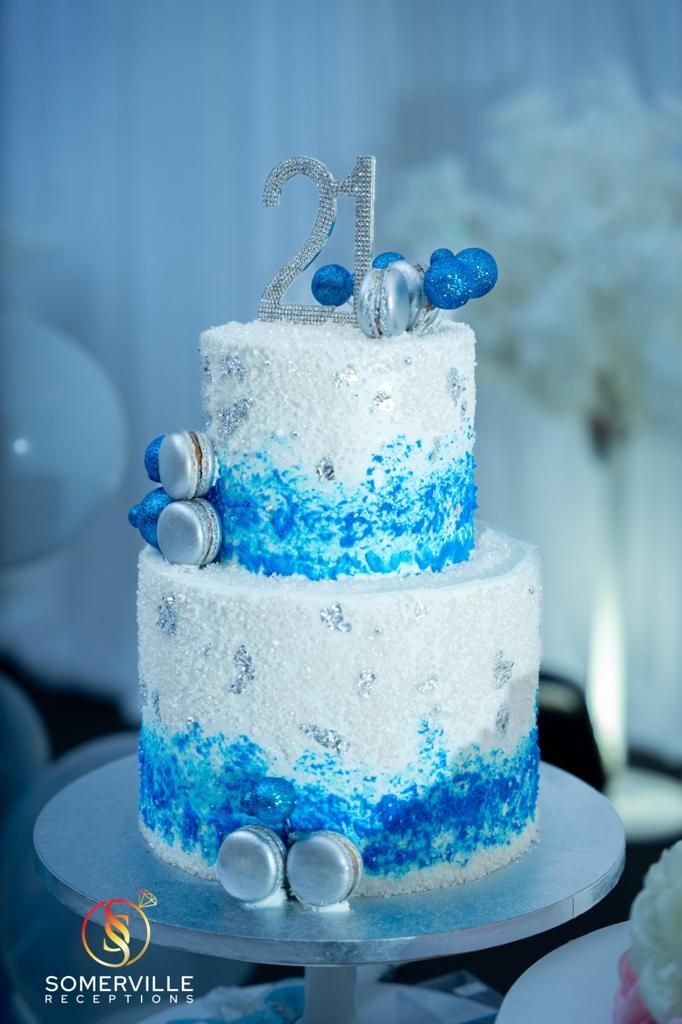
Choose a wedding cake that suits your theme, guest count, menu and venue, with practical tips on size, flavour, design, delivery and timing.
Bridal shower games for every guest list, from classic and personalised to elegant and funny, plus timing tips, prize ideas and venue advice.
Learn how to write wedding vows that feel personal, romantic, and meaningful. Step by step tips, vow structure, examples, and FAQs.
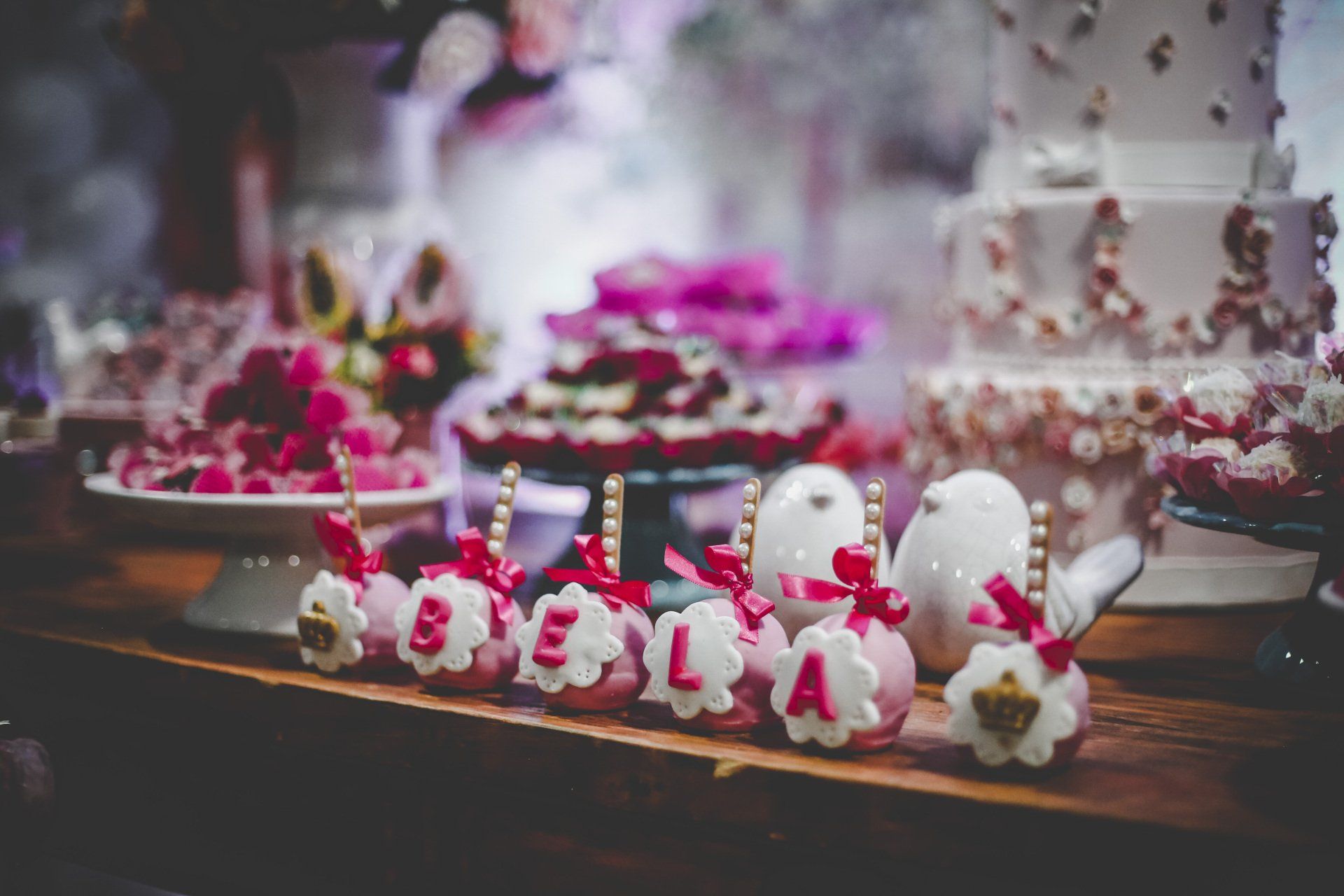
Learn how to plan a wedding timeline with clear steps, a sample schedule, checklist, and expert tips to keep your big day running smoothly.